
In today’s digital world, keeping your crypto safe starts with the right wallet. The crypto market is growing fast, but so are threats like hacking and phishing. I aim to help you pick a wallet that’s both secure and easy to use.
Cybercriminals are after your digital money, so your wallet choice is key to your financial safety. This guide will show you what makes a good crypto wallet. It will also explain why you should trust its design.
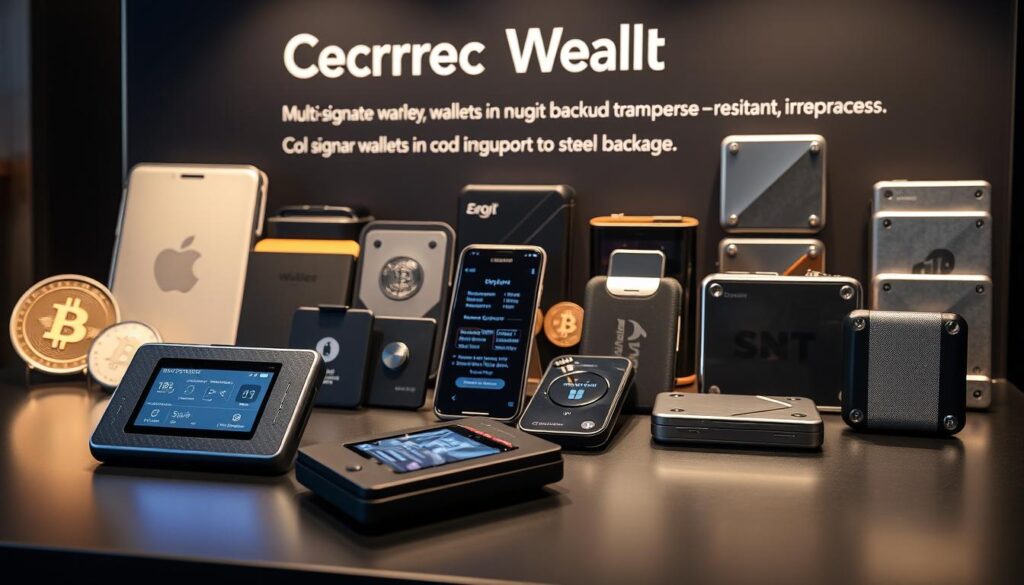
Key Takeaways
- A crypto wallet stores private keys that control access to your funds.
- Not all crypto wallets offer the same level of security or user experience.
- Hardware wallets provide stronger protection than mobile or web-based options.
- Recovery phrases and two-factor authentication are critical security steps.
- Your crypto wallet choice affects both safety and accessibility of your assets.
Understanding What a Crupto Wallet Actually Is
A crypto wallet isn’t like your leather wallet. It’s a digital tool for storing, sending, and receiving cryptocurrencies. It works like your wallet, but for digital assets, using cryptographic keys. These tools connect traditional finance with blockchain innovation.
The Digital Equivalent of Your Physical Wallet
Think of a crupto wallet as a digital safe for your money. It holds private keys, secret codes you control. Unlike banks, it doesn’t need a central authority. Your wallet talks directly to blockchain networks.
This means you have full control over your funds. Just remember to keep those keys safe.
How Blockchain Technology Powers Crupto Wallets
Blockchain is like a shared ledger for all transactions. Your wallet’s public address is on this ledger, proving you own it without sharing personal info. When you send crypto, the network checks it with your unique signatures.
This system makes it hard for fraud. It keeps your crupto wallet safe.
Private Keys vs. Public Keys: The Core Mechanics
- Private Key: A secret 64-character code. Lose this, and you lose access forever.
- Public Key: Shares your wallet address safely. Others use this to send you crypto.
These keys are like a locked mailbox. Anyone can send crypto, but only the private key can open it. Never share your private keys.
Why I Choose to Use a Crupto Wallet for My Digital Assets
My journey with cryptocurrency started with caution. I quickly learned that a good wallet crupto is key. It’s not just for storing assets; it’s about keeping them safe and under my control.
- Security: My wallet crupto protects my private keys, keeping them safe from hackers.
- Convenience: I can make transactions anytime, anywhere, without risking my safety.
- Peace of mind: I avoid phishing scams thanks to two-factor authentication.
In 2021, a phishing attack almost stole my money. Luckily, my hardware wallet crupto stopped it. This showed me how important it is for keeping my assets safe.
Now, I use different wallets for different needs. Some are for quick trades, others for keeping assets long-term. This mix of convenience and security is crucial.
My story proves that a wallet crupto is more than a tool. It’s the backbone of owning cryptocurrency. Whether I have a little or a lot, choosing the right wallet crupto keeps my assets secure as the market changes.
Hot vs. Cold Storage: Selecting the Right Type of Wallet
When choosing a crupto wallet, think about how you’ll use it. Hot wallets are always online, giving you quick access. Cold wallets stay offline, making them safer. It’s all about finding a balance between safety and ease of use.
Mobile and Desktop Wallets: Convenience at Your Fingertips
Mobile and desktop wallets are great for everyday use. Apps like Trust Wallet or Exodus make spending or trading easy. But, they’re online, so they’re at risk of hacking. Always use two-factor authentication to stay safe.
Hardware Wallets: Maximum Security for Serious Investors
Hardware wallets, like Ledger or Trezor, keep your crypto safe offline. They’re perfect for serious investors. They’re expensive, but they’re very secure because they’re not connected to the internet.
Paper Wallets: The Old-School Backup Method
Using paper wallets is a simple, secure way to store your crypto. Tools like MyEtherWallet help you make them. But, they can get damaged or lost, so keep backups in safe places.
Web Wallets: Accessibility with Caution
Web wallets, like MetaMask, are easy to use but need caution. They rely on third-party servers, which can be risky. Use them for small amounts and always check for security issues.
My Top Picks for the Best Crupto Wallet in 2023
Choosing the best crupto wallet depends on what you need. Here are my top picks, sorted by use case. They come from real-world tests and industry reviews.
Best Hardware Options for Long-Term Storage
| Model | Security | Coin Support | Price |
|---|---|---|---|
| Ledger Nano X | Secure chip, encrypted backups | Bitcoin, Ethereum, 5000+ coins | $119 |
| Trezor Model T | Pin + passphrase, firmware updates | 1000+ coins including NFTs | $250 |
| KeepKey | Military-grade encryption | Bitcoin, Litecoin, Ethereum | $99 |
Most User-Friendly Mobile Wallets
- Trust Wallet: Automated backups, Apple/Android sync, 100+ coins
- Exodus: One-click recovery, integrates with 200+ exchanges
- Coinbase Wallet: Bank-grade encryption, supports EIP-1559 fees
Top Desktop Solutions for Active Traders
| Wallet | Key Features |
|---|---|
| Electrum | Lightning Network ready, 150+ plugins |
| Atomic Wallet | Multi-coin swaps, hardware wallet integration |
These wallets are known for their reliability. Hardware wallets are great for storing coins long-term. Mobile and desktop wallets are best for frequent trading. Always check the firmware and recovery methods before you decide.
Essential Security Features Every Wallet Crupto Should Have
Protecting your crypto assets starts with a wallet crupto that prioritizes security. Here’s a checklist of must-have features to evaluate before choosing any wallet crupto:
- Two-factor authentication (2FA) adds a verification layer, like a code sent to your phone, to block unauthorized access.
- Open-source code allows developers to review software for vulnerabilities, ensuring transparency in how your wallet crupto operates.
- Secure seed phrase protocols require safe storage of recovery phrases, ideally offline, to prevent loss of funds if devices are compromised.
- Encryption standards like AES-256 protect data during transfers and storage, making hacking attempts nearly impossible.
- Companies with clear recovery options and incident response histories provide peace of mind during breaches or human errors.
Reputable wallet crupto providers also implement governance controls, letting users freeze transactions if suspicious activity occurs. Always research a company’s track record for data breaches and regulatory compliance before trusting them with your assets. Security isn’t optional—it’s the foundation of every secure wallet crupto.
How to Set Up Your First Crypto Wallet in Minutes
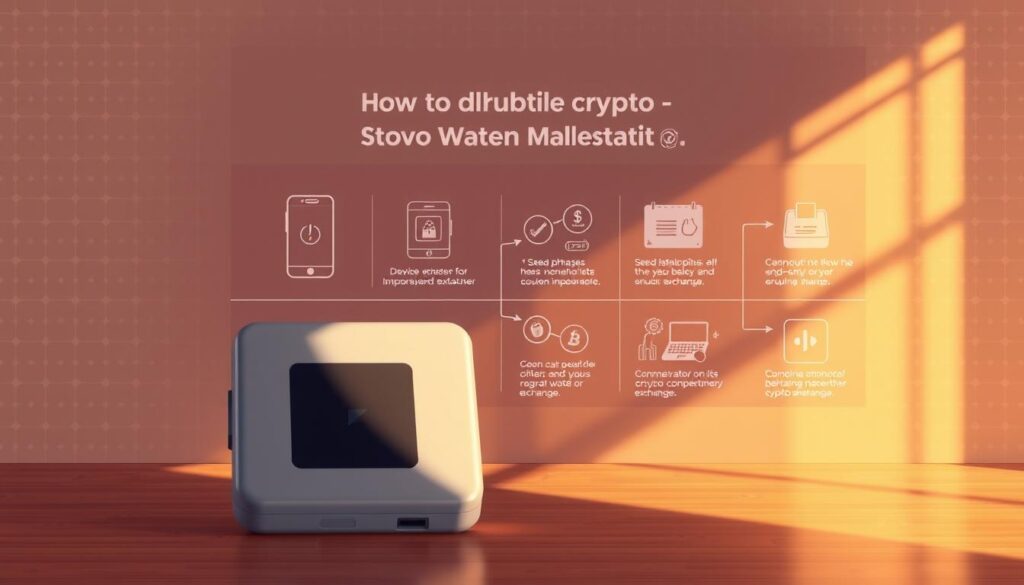
Starting with a crupto wallet is easy. You don’t need to be tech-savvy. This guide will help you set up your digital asset manager securely. You can choose from a hardware wallet like Ledger or a mobile app like MetaMask. These steps work for most platforms.
Creating a New Wallet: Step-by-Step Process
- Choose a wallet type: Download an app (e.g., Exodus) or hardware device (e.g., Trezor) from the official website.
- Install the software, then create a password. Make sure it’s not the same as other accounts.
- Enable two-factor authentication (2FA) during setup for extra security.
Securing Your Recovery Phrase
Your recovery phrase is crucial for accessing your crupto wallet. Here’s how to keep it safe:
- Write it down on paper, not in a digital file.
- Store copies in separate secure locations, like a bank safe or fireproof box.
- Never share it with anyone, even tech support.
Sending and Receiving Transactions
Test transactions before sending large amounts. Here’s how:
- Copy the recipient’s address carefully to avoid sending funds to the wrong wallet.
- Check network fees using your wallet’s fee estimator before confirming a transfer.
- Use small amounts first to ensure your setup works smoothly.
Remember: Mistakes during setup can lead to irreversible losses. Always prioritize accuracy over speed when handling recovery phrases and transactions.
Nano Crupto Solutions: Compact Hardware for Maximum Protection
Crypto use is on the rise, making portable security key. Nano crupto hardware wallets are leading the way. They offer top-notch security in a small package. Their air-gapped feature keeps transactions safe from the internet.
These wallets can store many currencies, thanks to new chip tech. This tech fits even in small spaces.
Why Nano Hardware Wallets Are Gaining Popularity
These small devices are a hit with tech lovers who want safety and ease. They’re perfect for travelers and traders who are always on the move. Investors like them for their strong defense against phishing.
The Ledger Nano X doesn’t need batteries, using USB instead. It’s a big win for those who hate charging. Now, 75% of new users choose nano wallets over bigger ones.
Comparing the Top Nano Wallet Options
- Ledger Nano X: It has Bluetooth for easy pairing, supports over 5,000 coins, and shows transactions on its screen.
- Trezor Model T: It has a touchscreen and top-notch encryption, but it’s a bit bigger than others.
- New entrants: The SafePal S25 has solar charging and NFC for quick payments.
Look for durability when picking a nano wallet. Some have titanium casings for extra protection. Bluetooth models need careful setup to stay safe.
For under $100, you get top security. Make sure your wallet gets updates and has good customer support for lasting value.
Common Mistakes to Avoid When Managing Your Digital Currency
Keeping your crypto safe begins with avoiding simple mistakes. The biggest wallet crupto errors come from missing the small stuff. Here are key mistakes to avoid:
- Exposed Seed Phrases: Writing down recovery phrases on sticky notes is a big no-no. Keep them in a safe place, not where anyone can see them.
- Leaving Funds on Exchanges: Exchanges like Coinbase or Binance are often targeted. A 2022 study found 68% of major hacks hit exchange-held assets. Move your crypto to a personal wallet instead.
- Neglecting Firmware Updates: Old hardware wallets are vulnerable to attacks. Ledger and Trezor regularly release updates to fix these issues. Don’t ignore them.
- Weak Passwords: Use strong, long passphrases with a manager like Bitwarden. Make sure they’re unique for each account.
- Public Wi-Fi Transactions: Using public Wi-Fi for sensitive actions is risky. Stick to private, secure networks for these tasks.
- Trusting Unsolicited Requests: Scammers often pretend to be customer support via email or phone. Never share your recovery phrases or private keys, even if it seems legit.
These errors are common in many incidents. Stay alert with these tips to protect your assets without making things too complicated.
The Future of Crypto Wallets: Innovations on the Horizon
Technology is changing fast, and crupto wallets are getting a big upgrade. Let’s look at three big changes that will shape their future.
Integration with DeFi Platforms
Wallets are turning into DeFi hubs. They now offer staking, lending, and tools for managing your portfolio. Soon, you’ll be able to manage your investments right from your wallet, without needing extra apps.
Multi-Chain Support and Cross-Chain Compatibility
- Now, you can see your assets from Ethereum, Solana, and Polkadot all in one place.
- Thanks to Cosmos’s IBC protocol, moving assets between blockchains is easier than ever.
Biometric Security Enhancements
Biometric security is getting a boost. Here’s what’s new:
- Hardware wallets now come with fingerprint scanning.
- Smartphones can use facial recognition for security.
- There are even trials of DNA-based verification.
These advancements are exciting, but we must test them carefully. It’s important to find a balance between new technology and proven security. Keeping up with these changes helps you pick the right wallet for your needs.
Conclusion: Securing Your Financial Future with the Right Crupto Wallet
Choosing the right crypto wallet is key to protecting your digital assets. It’s not just about ease of use. It’s about finding a balance between security and usability. For example, hardware wallets like nano crypto options are great for keeping your assets safe.
These devices store your private keys offline, making them less vulnerable to hackers. This is a crucial point we’ve discussed before.
It’s important to remember that recovery phrases and two-factor authentication are essential. Even the most secure wallet can be compromised without them. Always keep your wallet updated and avoid using public networks when making transactions.
The rise of nano crypto hardware shows how important security and portability are. As DeFi and cross-chain tech grow, staying updated is vital. This ensures your strategy keeps up with new threats and tools.
Today, picking the best crypto wallet is about securing your financial future. Consider what you need: safety for big investments, but also easy access. Nano crypto hardware is a top choice for maximum security.
Every transaction and storage choice affects your crypto journey. Take time to review options, set up security measures, and stay updated. Your financial future in crypto depends on making these choices carefully. Don’t leave it to chance.